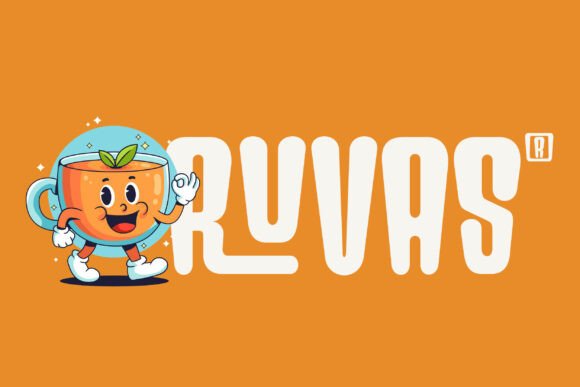
Ruvas: A Playful Display Font for Creative Projects
There’s something about the right font that can transform a layout from ordinary to extraordinary. Recently, I found myself in the midst of redesigning a lifestyle blog header, and Ruvas — a cheerful and energetic playful display font — became the perfect choice to inject personality into the new look. With its bold shapes, bouncy curves, and quirky character details, Ruvas delivers a sense of joy and movement that feels just right for content that wants to stand out.
Ruvas for Lifestyle Blog Headers and Editorial Branding
When working on a lifestyle blog redesign, the header is often the first thing readers see. Ruvas proved to be an excellent fit for this role, as its playful yet refined style matched the tone of the publication perfectly. The font's unique curves and lively rhythm helped create a visual hierarchy that drew attention without overwhelming the reader. It worked especially well when paired with a clean sans serif font for body text, ensuring readability while maintaining brand identity.
The use of Ruvas in headers also allowed for creative experimentation with spacing and line breaks. For instance, using it in a staggered layout for a feature article title gave the design a dynamic feel that felt fresh and engaging. This kind of visual interest is essential for editorial layouts that aim to capture attention quickly.
Ruvas in Recipe Ebooks and Digital Magazines
In the context of a recipe ebook, Ruvas brought a sense of fun and approachability to the title pages and chapter headings. Its quirky character details made each section feel like a new adventure, which is exactly what a cooking guide should evoke. When used sparingly, Ruvas didn’t detract from the readability of the content but instead enhanced the overall mood of the publication.
For digital magazines, Ruvas was a great option for pull quotes and decorative accents. The font’s bouncy curves added a touch of whimsy that complemented lifestyle and travel features. However, it was important to ensure that the font wasn’t overused, as its expressive nature could become distracting in longer passages. Keeping it reserved for titles and highlights maintained a balance between creativity and clarity.
Ruvas for Coaching Workbooks and Printable Planners
When designing a coaching workbook, the goal was to create a layout that felt both professional and inviting. Ruvas was used for chapter openers and motivational quotes, where its bold shapes and playful energy helped reinforce the positive tone of the content. The font’s versatility made it suitable for both decorative elements and functional text, such as section headings and activity titles.
In printable planner designs, Ruvas added a modern flair to event names and weekly goals. Its legibility on screen and in print ensured that it remained effective even when used in smaller sizes. Pairing Ruvas with a minimalist sans serif font for daily entries created a cohesive and visually appealing structure that supported user engagement.
Ruvas in Newsletter Graphics and Course PDFs
For a creator newsletter, Ruvas played a key role in making the header and callout sections stand out. Its expressive curves and quirky details gave the newsletter a friendly and approachable feel, which is ideal for content meant to build community and connection. When combined with subtle animations or color overlays, Ruvas helped create a more dynamic reading experience.
In course PDFs, Ruvas was used for module titles and learning objectives. Its energetic style encouraged interaction and made the content feel more engaging. However, it was clear that Ruvas wasn’t suited for long-form reading, so it was carefully placed to avoid disrupting the flow of dense educational material.
Readability and Practical Considerations with Ruvas
While Ruvas excels in display settings, it’s important to consider its limitations. As a playful display font, it’s best used for headlines, titles, and short phrases rather than for body copy or small captions. Testing it across different platforms — from mobile screens to printed materials — revealed that its legibility holds up well, especially when used at appropriate sizes and with sufficient contrast.
Before integrating Ruvas into any project, it’s wise to review the available styles, alternates, ligatures, and weights. Checking for multilingual support and commercial licensing is also crucial, especially if the font will be used in paid publications, templates, or client work. Ensuring that the font aligns with the overall brand identity and editorial goals will help maintain consistency and professionalism in the final design.