White Cowboy: A Playful Display Font for Modern Editorial Projects
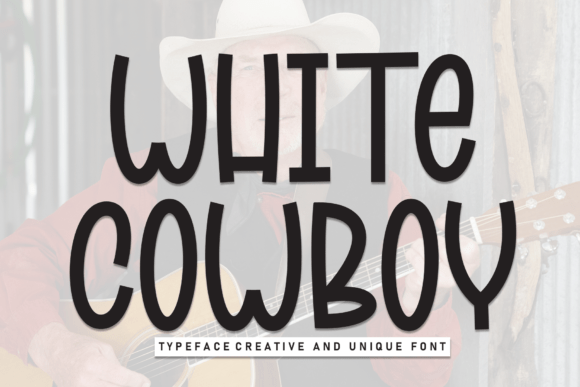
Choosing the right font for a project can feel like finding the perfect match—something that feels just right, without being too much or too little. When I recently redesigned the header for a lifestyle blog, White Cowboy stood out as a natural fit. As a display font, it blends modern simplicity with a playful, approachable vibe. Its clean shapes and soft edges made it ideal for creating a relaxed editorial mood that felt both fresh and familiar.
White Cowboy for Lifestyle Blog Headers and Digital Magazines
White Cowboy is particularly well-suited for blog headers and digital magazine layouts. The rhythm of its letterforms creates a gentle visual flow, making it easy to read while still feeling inviting. For my redesign, I used it as the main title for the blog’s homepage. It brought a sense of calm to the layout, helping to guide readers’ eyes naturally from the headline to the featured content below.
The font’s balanced proportions also made it a great choice for section headings in a digital magazine format. It didn’t overpower the content but instead created a subtle hierarchy that enhanced readability. Whether paired with a serif font for body copy or a sans serif for captions, White Cowboy added a touch of personality without distracting from the message.
White Cowboy in Recipe Ebooks and Coaching Workbooks
When I tested White Cowboy in a recipe ebook, its charm became even more apparent. The soft curves and friendly appearance gave the book a warm, approachable tone that matched the cozy, home-cooked feel of the content. I used it for chapter titles and pull quotes, which helped break up dense text and keep the reader engaged.
In a coaching workbook, the same font worked beautifully for section openers and motivational pull quotes. It created a sense of encouragement and ease, reinforcing the supportive nature of the material. However, I found that it was best reserved for headings and not used for long-form text, where its expressive style could reduce readability on smaller screens or in print.
White Cowboy for Wedding Guides and Printable Planners
White Cowboy has a quiet elegance that makes it a strong contender for wedding guides and printable planners. Its clean lines and soft edges give it a timeless quality, which complements the romantic and celebratory nature of wedding content. I used it for event titles and key dates in a wedding guide, and it added a touch of whimsy without overwhelming the design.
For a printable planner, I applied White Cowboy to month headers and weekly prompts. It helped create a consistent visual identity across the document, making it easier for users to navigate and engage with the content. The font’s playful yet refined character also aligned well with the creative, personalized feel of many printable planners.
Readability and Practical Considerations with White Cowboy
While White Cowboy excels in display roles, it’s important to consider its use in different formats. On screen, it performs well at larger sizes, especially in headlines and decorative accents. However, for long-form reading or small text, it may not be the best choice. Its soft edges and rounded forms can make it less legible in dense paragraphs or tiny captions.
When using White Cowboy in a publication, I recommend pairing it with a more structured font for body text. A clean sans serif or a classic serif font can provide the necessary contrast and improve overall readability. Checking for included styles, ligatures, and multilingual support is also essential, especially if the font will be used in commercial projects or client work.
Whether you're designing a newsletter, crafting an ebook, or building a brand identity, White Cowboy offers a versatile and charming option for your Fonts toolkit. Its blend of modern simplicity and playful appeal makes it a valuable asset in any editorial designer’s repertoire.