Candy Stories Font for Elegant Branding and Modern Design
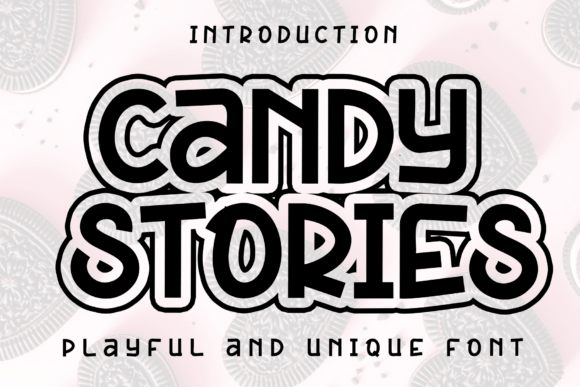
I was recently working on a branding project for a small boutique that sells handcrafted skincare products. The client wanted something soft, approachable, and visually aligned with their natural, artisanal ethos. As I opened my design board, I knew the right font would be key to setting the tone. That’s when I first tested Candy Stories — a smooth and elegant modern display font that balances legibility with a stylish, personal flair.
Candy Stories in Logo Design for a Feminine Skincare Brand
Candy Stories immediately stood out with its consistent, fluid strokes and slightly condensed form. It felt like the perfect match for the boutique's name — gentle yet memorable. I placed it on a simple logo mockup, pairing it with a clean sans serif for body text. The result was graceful, feminine, and instantly recognizable. It added that subtle touch of personality without overwhelming the design.
What I loved most was how Candy Stories handled short-form text. It looked stunning on the product labels, and even better on the packaging mockups. The slightly condensed form made it ideal for space-conscious designs like bottle tags or minimalistic boxes.
How Candy Stories Works as a Display Font in Branding
Candy Stories isn’t just about looks — it’s also practical. As a display font, it excels in headlines, logos, and brand taglines. I found it particularly effective when used as an accent font alongside more traditional typefaces. For instance, pairing it with a minimalist serif font for body copy created a balanced visual hierarchy that elevated the overall design.
The font’s readability is another plus. Even though it has a personal flair, it doesn’t sacrifice clarity. This makes it suitable for both digital and print materials, from social media graphics to printed marketing collateral.
Candy Stories for Packaging Design and Product Labels
When designing the product packaging, I wanted something that felt luxurious but not too over-the-top. Candy Stories came in handy again. Its elegant curves gave the labels a soft, inviting feel, while still being easy to read at a glance. I used it for the product names and key benefits, ensuring that the message stayed clear and concise.
One thing I noticed was how well Candy Stories worked with subtle textures and gradients. On a matte label, the font had a refined look, whereas on glossy finishes, it felt almost hand-painted. It added that extra layer of sophistication without needing complex illustrations.
Candy Stories in Social Media Graphics and Website Headers
For the client’s Instagram feed and website, I needed a font that could work across multiple platforms. Candy Stories fit perfectly in the hero section of the homepage. It looked great above the fold, drawing attention without being too bold. I also used it for captions and call-to-action buttons, where a touch of elegance helped reinforce the brand’s voice.
On social media, the font translated well into short, punchy posts. Whether it was a promotional post or a customer testimonial, Candy Stories brought a sense of warmth and approachability that matched the boutique’s vibe.
Candy Stories for Editorial Design and Print Materials
As part of the brand identity, I also designed some print materials — including flyers and brochures. Candy Stories was a go-to choice for headlines and subheadings. Its slightly condensed form allowed me to fit more information on smaller spaces without compromising aesthetics.
I experimented with different weights and styles to see how Candy Stories could adapt to various contexts. In one case, using a lighter weight for the subheadings created a nice contrast with the main headline. This flexibility made it a versatile tool in my typography arsenal.
Testing Candy Stories Before Full Brand Integration
Before committing to Candy Stories for the entire brand system, I tested it across several mockups. I checked how it looked on different backgrounds, sizes, and resolutions. It performed well in all scenarios, which gave me confidence in using it consistently throughout the project.
I also considered font pairing options. Pairing Candy Stories with a clean sans serif like Helvetica Neue or a modern serif like Playfair Display helped maintain balance. These combinations worked well for both digital and print outputs, making the font a reliable choice for a wide range of applications.
Candy Stories for Business Cards and Merchandise
Even on something as small as a business card, Candy Stories made an impact. I used it for the name and title, keeping the rest of the information in a complementary sans serif. The result was professional yet personable — exactly what the client was looking for.
For merchandise like branded notebooks or tote bags, the font added a touch of charm. It wasn’t too flashy, but it did give the products a unique identity that aligned with the brand’s values.
Final Thoughts on Using Candy Stories in Real Projects
Candy Stories proved to be a valuable asset in this branding project. From the initial logo concept to the final packaging designs, it consistently delivered a blend of elegance and readability. Whether you're designing for a boutique, café, or creative studio, this font can help bring your brand’s personality to life with a subtle, stylish flair.